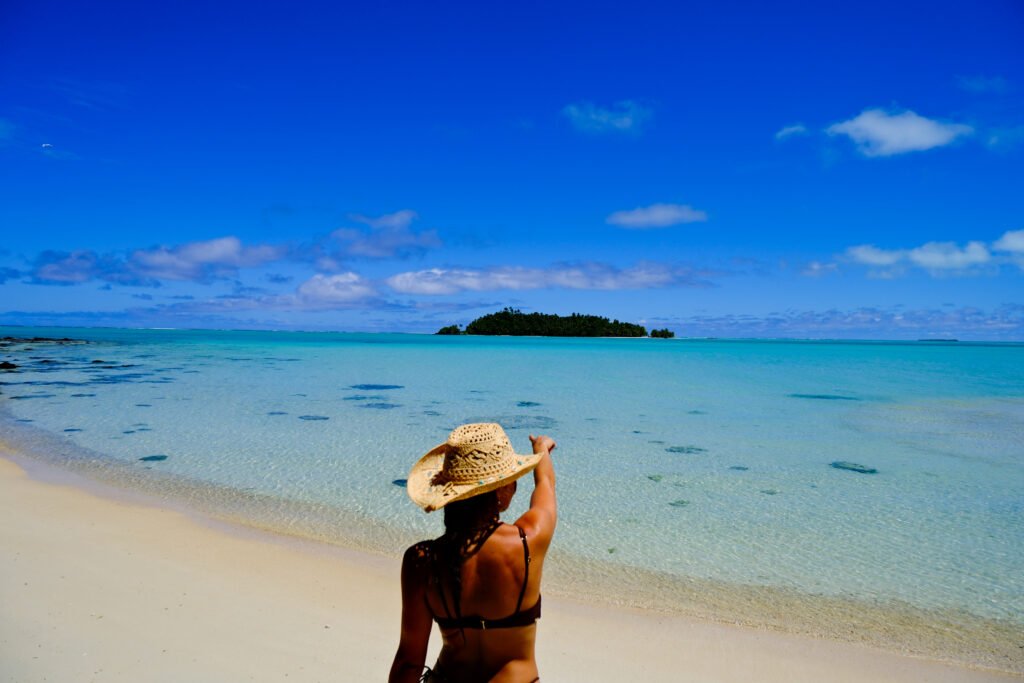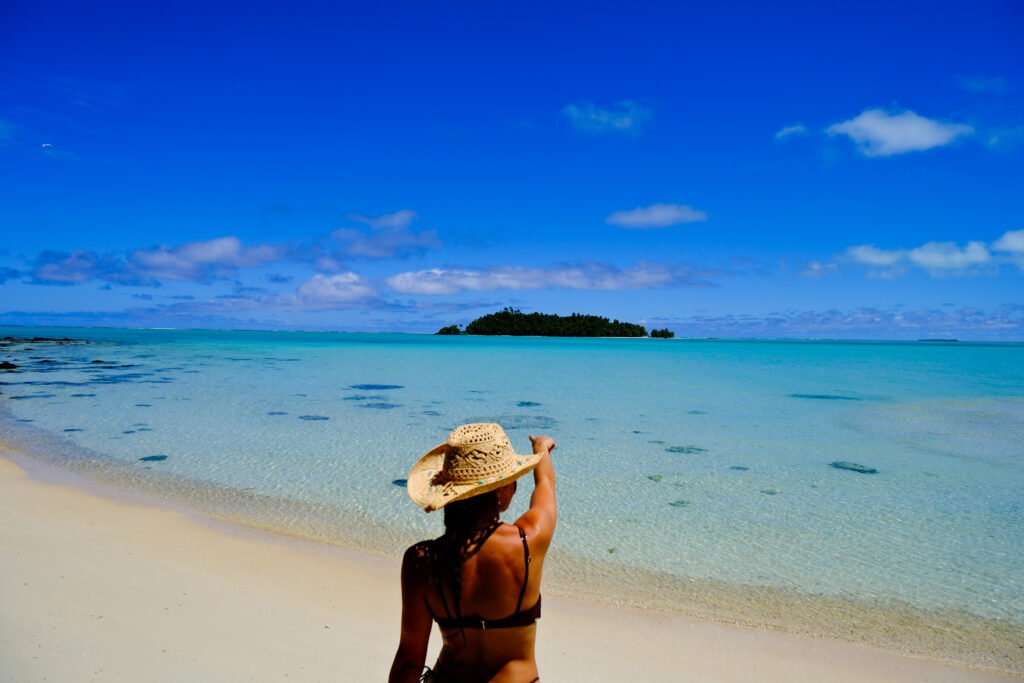
The Cook Islands are one of those places that feel gentle, colourful and deeply memorable all at once. This 10-day itinerary is split between Rarotonga and Aitutaki, using the real trip notes from the Canva itinerary: markets, snorkelling, cultural shows, turtle swims, a rescue dog walk, the Aitutaki lagoon and one last hike before flying home.
I’ll add the more personal story layer later, but the route already has a lot of Andrea in it: local food, flower crowns, dogs, snorkelling, slow island moments and the kind of practical tips that only come from actually moving around the islands.
In this guide

Quick Cook Islands tips
- Rent a car: it is the easiest way to explore Rarotonga, especially when it rains or you want to move at your own pace
- Get a local SIM: Vodafone is the main operator on the island
- Pack mosquito repellent: bring some with you because island supplies can run low
- Try local food: Ika Mata, poke, rukau, pawpaw and fresh sashimi are all worth looking for
Day 1: Arrive in Rarotonga
After the late flight from Sydney and early arrival in Rarotonga, pick up the rental car and keep the first day relaxed. Visit Muri Lagoon, Black Rock and take a slow drive along the west coast. For sunset, Aroa Beach is the place I would aim for.
Food notes from the itinerary include Rarotonga Bakery for coffee and pastry, and Kaena Restaurant for a mix of Filipino cuisine and traditional Cook Islands dishes.
Day 2: Market, snorkelling and fire show
Start at Punanga Nui Market, which is a must for tropical fruit, juices, pastries, local art and crafts. If you can, book or arrange a flower-crown-making experience with local vendors because that kind of cultural moment makes the trip feel more connected.
In the afternoon, snorkel at Aroa Marine Reserve, then end the day with dinner, Polynesian dance and fire show at Te Vara Nui Village.
Day 3: Muri Lagoon and night markets
Make this the lagoon day. The saved itinerary includes a lagoon cruise with snorkelling, barbecue lunch and live Polynesian music, plus the option of evening paddleboarding with a fire show. You can compare the lagoon cruise here: Muri Lagoon BBQ lunch cruise.
For dinner, go to Muri Night Markets if your timing lines up with Friday or Sunday evenings. This is the kind of place to try Ika Mata or tuna sashimi without making the evening feel overly formal.
Day 4: Turtle snorkel and island exploring
Start with a turtle snorkel around Avaavaroa Passage if conditions are suitable. The itinerary notes mention Papa Turtle and also link to a Viator turtle swim option: Swim with turtles in Rarotonga.
Keep the afternoon flexible with Titikaveka Beach, interior jungle roads and a relaxed food stop. The itinerary notes include breakfast at Beluga and local food at Kikau Hut.
Day 5: SPCA dog walk and flight to Aitutaki
This is one of the sweetest personal details in the itinerary: visit the Cook Islands SPCA, walk a rescue dog, leave a donation and spend a little time at the shelter before flying to Aitutaki.
Book the transfer with Air Rarotonga and base yourself at Tamanu Beach Resort if you want the stay from the original itinerary.
Days 6-8: Aitutaki lagoon, motus and island life
Aitutaki is the dream-lagoon section. Day six is built around One Foot Island and the Aitutaki Lagoon, with the Vaka Cruise as the full-day experience. The saved itinerary links to this option: Aitutaki day tour.
Day seven is slower: snorkelling, paddleboarding, renting a bike, sunset from Pirari Lookout and the Ura show at Tamanu Beach Resort. Day eight adds Maungapu, the Banyan Tree, Ootu Beach, Honeymoon Island and a half-day private lagoon tour with Black Pearl Charters.
Days 9-10: Final Rarotonga hike and flight home
Back on Rarotonga, make the final full day active with The Needle, also known as Te Rua Manga. It is a moderate-to-challenging hike, so wear proper shoes and check conditions. End with Papa’aroa Beach, coconuts, snorkelling and a final dinner back at Kaena Restaurant.
On the final morning, aim for sunrise, the Marae Moana mural, the JetBlast experience if flight times align, and one last early breakfast at Rarotonga Bakery before flying home.
Best time to visit the Cook Islands
The Cook Islands are warm year-round, but the feel of a trip changes with the seasons. June to August is generally the easiest all-round window for clear days and comfortable exploring; May and September to October offer a lovely balance of warmth and fewer visitors, while November to April is warmer, wetter and often better value.
Peak season
June–August · ☀️
Dry, breezy & bright
Avg high 24–26°C
Best for lagoon cruises, snorkelling and hiking.
Shoulder season
May, September–October · ⛅
Warm & comfortable
Avg high 25–27°C
Sunshine, swimming and fewer crowds.
Low season
November–April · 🌦️
Warmer, wetter & lush
Avg high 27–29°C
Often better value; tropical showers can pass quickly.
For first-time visitors, June to August is the easiest all-round window. Bring a light layer for evenings, reef-safe sunscreen and a rain layer, and keep lagoon and mountain plans flexible around local conditions.
Cook Islands FAQs
When is the best time to visit the Cook Islands?
June to August is usually the easiest all-round period for comfortable temperatures and drier weather. May and September to October can be a great compromise if you want warmth with fewer visitors.
Is the Cook Islands wet season worth considering?
Yes, especially if you prefer warmer days, lush scenery and potentially better-value stays. Tropical showers can be brief, but it is worth leaving room in your plans for changing lagoon and outdoor conditions.
Can I snorkel in the Cook Islands year-round?
Snorkelling is possible across the year, but visibility, wind and water conditions vary. Check locally and follow the advice of your lagoon cruise or snorkelling operator before heading out.
What should I pack for the Cook Islands?
Pack swimmers, reef-safe sunscreen, mosquito repellent, a light rain layer, comfortable walking shoes and a dry bag for boat days. A light layer is useful for breezy evenings and air-conditioned flights.
How many days do I need for Rarotonga and Aitutaki?
Ten days gives you enough time to enjoy both islands without rushing. If Aitutaki’s lagoon is a priority, try to keep at least three days there, plus time for the inter-island flight.
This guide is about